Hair Care Guide
Herbal Shampoo for an Itchy Scalp: A Gentle Calming Wash Routine
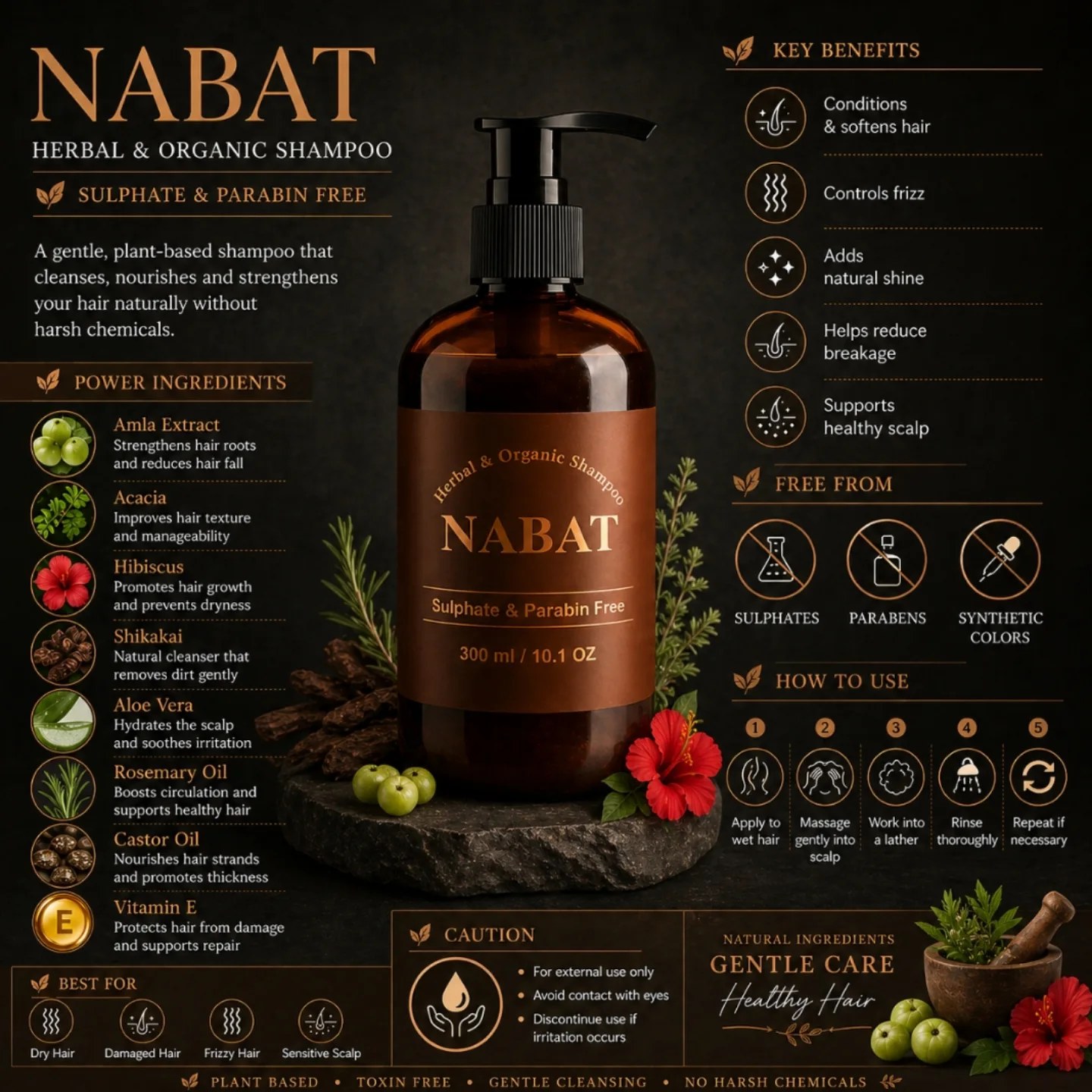
Herbal shampoo for itchy scalp: what makes a scalp itch
An itchy scalp is uncomfortable all day, and scratching only makes it worse, because nails irritate the skin and spread the irritation further. Herbal shampoo for itchy scalp starts from a simple idea: calm the scalp first, and clean it gently, instead of scrubbing the itch away. A wash that soothes the skin lets the scalp settle, and a settled scalp itches less between washes.
The itch often comes from dryness, product build-up, sweat or a wash that was too harsh. Each cause points to the same fix: a mild shampoo, lukewarm water and a slow wash with the fingertips. Harsh shampoos strip the scalp and leave it drier, which brings the itch back stronger the next day. Itchy scalp care is mostly about removing the irritants, not adding stronger products.
A calming wash, step by step
Start by wetting the hair fully with lukewarm water, and let the water run over the scalp for a few seconds before any shampoo touches it. Work a small amount of herbal shampoo into a soft lather between wet hands, then spread it over the scalp with the fingertips in slow circles. Keep the nails away from the scalp entirely, and let the lather do the work. A gentle scalp wash takes two or three minutes, and rushing it leaves product behind. Herbal shampoo for a sensitive scalp shows the same slow, careful steps.
Rinse until the water runs clear and the hair feels clean without any slippery layer. Leftover shampoo is a common cause of itching, so the rinse matters as much as the wash. Finish with a final rinse of plain lukewarm water, and pat the hair dry with a towel instead of rubbing it. Rubbing tangles the hair and irritates the scalp at the same time, which undoes the calm the wash created.
How often to wash an itchy scalp
Wash two or three times a week to start, and watch how the scalp responds before changing anything. Washing every day can dry the scalp out, while washing too rarely lets sweat and product build up, and both extremes make the itch worse. The right rhythm is the one where the scalp feels comfortable on the second day after a wash, not tight and not oily. How often to wash hair in Pakistani weather gives a gentle guide for the local climate.
After a sweaty day or a workout, an extra wash is fine, but keep it light and quick. Use less shampoo than usual, rinse well, and skip any extra products that day. The calming wash routine works because it stays the same most of the time, with small changes only when the scalp or the weather asks for them.
The rinse matters as much as the wash
A rinse with plain water after the shampoo removes the last traces of lather from the scalp and the roots. Some people find a final rinse with cool water soothing, because it calms the skin and closes the hair cuticle, which leaves the hair smoother. The water should feel cool, never cold, and a few seconds is enough. The goal is comfort, not a shock to the scalp.
Avoid leaving conditioner or styling products on the scalp, since they sit on the skin and can irritate it. Keep conditioner on the lengths only, from the ears down, and rinse it out fully. Product build-up on the scalp is a quiet cause of itching, and it builds up slowly over weeks. Herbal shampoo for a dandruff-prone scalp explains how build-up and flakes connect.
Between washes: small habits that calm the scalp
Between washes, keep the hands away from the scalp, and brush the hair gently instead of scratching at itchy spots. A soft brush moves the natural oil down the lengths and keeps the scalp comfortable. Change the pillowcase regularly, since oil and dust gather on it overnight and sit against the scalp for hours. Small habits like these support the wash routine more than any extra product can.
A light oiling the evening before wash day can also calm the scalp, because the oil softens dry patches before the wash lifts them away. Use a few drops, massage slowly with the fingertips, and wash it out the next morning. Scalp massage technique with hair oil is a calm, simple routine for the evening, and it pairs well with a gentle wash.
When to change the routine
If the itch fades within two weeks, the routine is working, and the best move is to keep it exactly the same. Changing a working routine is the most common way to bring the itch back. If the itch stays the same after three weeks of gentle washing, look at the other habits first: the water temperature, the rinse, the pillowcase, and any styling products used on the scalp. Herbal shampoo for dry scalp covers the moisture side of scalp care.
If the scalp shows redness, soreness or flaking that keeps spreading, stop guessing and ask a skin doctor, since some scalp problems need proper treatment, not a different shampoo. A gentle calming wash routine helps an irritated scalp, but it is not a treatment for a skin condition. Knowing that line is part of honest itchy scalp care, and it keeps the routine safe.
Try Nabat Herbal Shampoo for yourself
Order Nabat Herbal Shampoo through the order form on our website — Cash on Delivery across Pakistan.
Order Now View the Product