Hair Care Guide
Hair Oil for Hair Fall: A Gentle Strengthening Routine
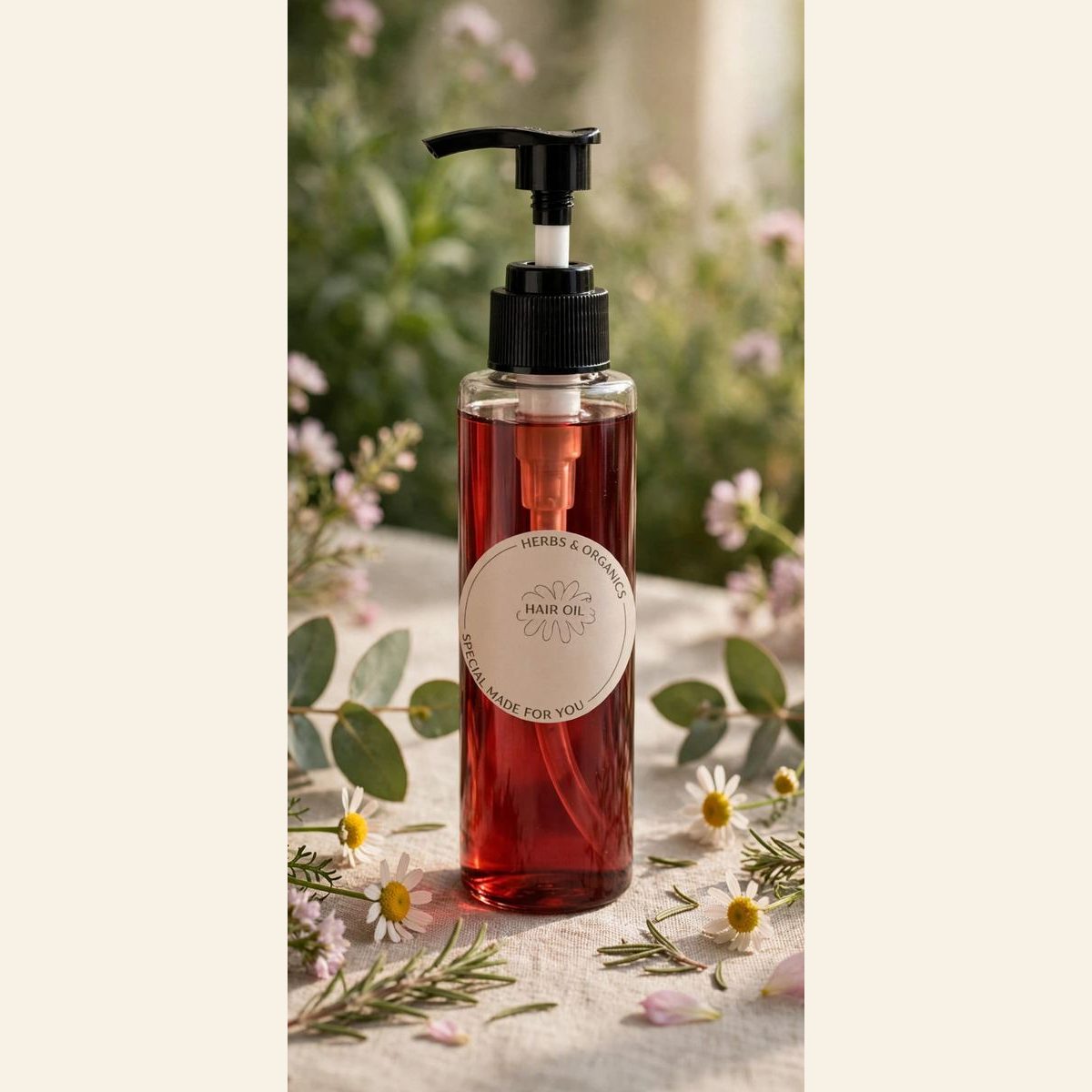
Hair oil for hair fall: how oiling supports the hair
Seeing hair on the pillow or in the comb is worrying, and the first instinct is often to wash less or oil more, both at once. Hair oil for hair fall works best as a steady habit, not a panic fix: regular light oiling keeps the scalp comfortable and the lengths flexible, so the hair breaks less during combing and washing. Less breakage means less hair in the comb, and that is the change most people notice first.
Hair falls for many reasons, from seasonal change and stress to rough handling and dryness, and oil only helps the handling and dryness part. It cannot fix the other causes, and no honest routine should claim that it can. A strengthening hair routine does what it can do well: it protects the hair that is already there, keeps the scalp calm, and makes washing and combing gentler.
The weekly oiling routine
Oil once a week to start, on the evening before a wash day, and keep the amount small until the hair shows what it needs. Warm a few drops between the palms, smooth them over the scalp first, then work the rest down the lengths. The scalp needs the least oil, and the ends need the most, because the ends are the oldest and driest part of the hair. Leave the oil for at least half an hour, or overnight if the hair feels very dry. The weekly hair oiling routine shows the full order: oil, rest and wash.
Use less oil than feels necessary in the first weeks, because heavy oiling makes the wash harder and leaves the hair flat. A few drops, spread well, cover the whole scalp when the massage is slow. The oil should feel like a thin layer, not a coating, and the hair should still move freely. Hair fall care starts with a light hand, and the amount can grow only when the hair asks for more.
Scalp massage: slow and gentle
The massage matters as much as the oil, because slow circles with the fingertips wake up the scalp and spread the oil evenly. Use the pads of the fingers, never the nails, and move in small circles from the front hairline to the back. Five slow minutes is enough, and the pressure should feel relaxing, never painful. A gentle scalp massage after a long day also calms the mind, which is a small bonus the routine gives for free. Scalp massage technique with hair oil shows the slow, simple method step by step.
Massage only on oiling days, and keep the rest of the week hands-off, since daily tugging and pulling stress the roots. The roots hold the hair in place, and they loosen when the hair is pulled, brushed hard or tied too tightly. A calm scalp with calm handling loses less hair than a scalp that is constantly disturbed.
Washing out the oil without rough handling
Wash the oil out the next morning with a gentle herbal shampoo, and rinse with lukewarm water until the hair feels clean. One wash is usually enough if the oiling was light, and a second wash is fine if the hair still feels coated. Scrubbing the scalp hard to remove the oil defeats the purpose, because rough washing breaks the very hair the oiling protected. Herbal shampoo after oiling explains the gentle wash-out.
Let the hair dry naturally when possible, and pat it with a towel instead of rubbing it. Wet hair is at its weakest, and rubbing it with a towel snaps the strands. Comb only when the hair is mostly dry, starting from the ends and working upward, and use a wide-toothed comb. Hair oil for split ends and breakage covers how oiling protects the ends between washes.
Daily habits that protect the hair
Tie the hair loosely, and change the position of the tie often, so the same strands are not pulled every day. Tight ponytails and buns pull at the roots for hours, and the hairline shows the strain first. Sleep on a clean pillowcase, and keep the hair loosely braided at night if it tangles easily. These small habits protect the hair between oiling days, and they cost nothing.
Eat and sleep regularly, since hair reflects the body behind it, and tired, poorly fed hair sheds more. No oil can replace rest and food, and a routine that ignores the body will always fall short. Keep the hair out of harsh sun for long hours, and cover it in dusty wind. A strengthening hair routine is a whole habit, not just a bottle on the shelf.
What to expect, and when to stay patient
Expect the first change in how the hair feels, not in how much falls: the hair feels softer, combs more easily, and breaks less within a few weeks. The amount of hair in the comb usually drops slowly after that, as the lengths get stronger and the washing gets gentler. Hair grows slowly, and the new growth takes months to show, so the routine needs at least two months before any fair judgement. Overnight oiling vs short oiling helps pick the timing that suits the hair best.
If the hair keeps falling heavily for months, or if patches appear, ask a doctor, since some hair fall needs proper treatment, not a different oil. A gentle strengthening routine supports healthy hair, but it is not a treatment for a medical problem. Knowing that line is part of honest hair fall care, and it keeps the routine safe.
Try Nabat Hair Oil for yourself
Order Nabat Hair Oil through the order form on our website — Cash on Delivery across Pakistan.
Order Now View the Product